What South Korea’s deadliest maritime disaster changed: The lives of people, journalism and myself | By Jonah Jung (Spring 2026)
April 16, 2014, was the day that changed everything for everyone in South Korea.
On that day, I was 10 years old and was practicing taekwondo with my peers, wearing a big, loose uniform that barely fit me. Through the noise of kids’ belts flapping in the air and the sound of their feet brushing against the mat, I heard something like a news report, and turned around to see my taekwondo master watching a live news broadcast.
On the phone that he held tightly was a ship, painted blue and white, partly submerged into the cold, blue ocean as helicopters and police boats maneuvered around it. On the side of the ferry was its name, “Sewol.”
At first, I thought he was watching a movie. “Guys, this ship just sank with hundreds of people on board.” said my taekwondo master in a high-pitched tone. Later that day, I came home exhausted from practice.
That tragic scene did not live in my head for more than five minutes after seeing it on TV. But later, as I realized its significance, I felt the opposite, like that image would forever live in my consciousness.
My mother, while on the phone talking to her friend about the incident the same day, reminded me of what I had seen, but not quite believed. “Did you hear what happened? Kids are dead. They drowned.” she said.
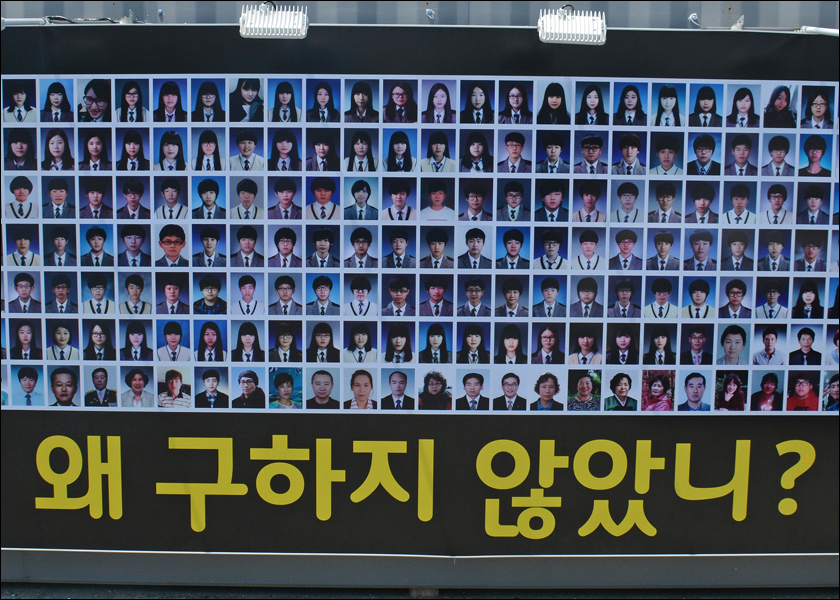
The revelations that followed in the news were shocking. Students from Danwon High School in Ansan, 18-year-olds in their second year of high school, were on their school field trip from Incheon to Jeju Island. The trip that was meant to become an unforgettable memory became a tragic last day for many, and a life-altering trauma for the survivors and their families.
On top of the initial disaster of the ship, which capsized in deep, turbulent water, the poorly-executed rescue attempt by the crew, the Coast Guard, the Navy, and the government exacerbated the tragedy.
According to Foreign Policy in Focus, the Coast Guard on scene failed to rescue the passengers and prioritized rescuing the Sewol crew, who told the students to stay on board, and most did so as the ship sank. Sewol’s captain, who abandoned his passengers, later got a life sentence for murder.
According to the April 16th Coalition, established to commemorate the victims, 304 of the 476 passengers died or were missing, and only 75 of the 325 students on board survived the accident. The survivors still carry the guilt and trauma today.
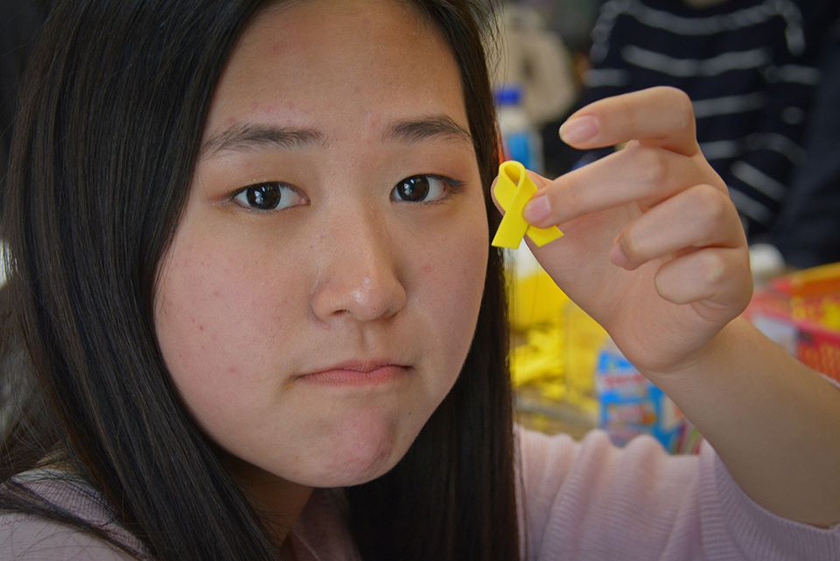
Grieving families and a lack of humanity
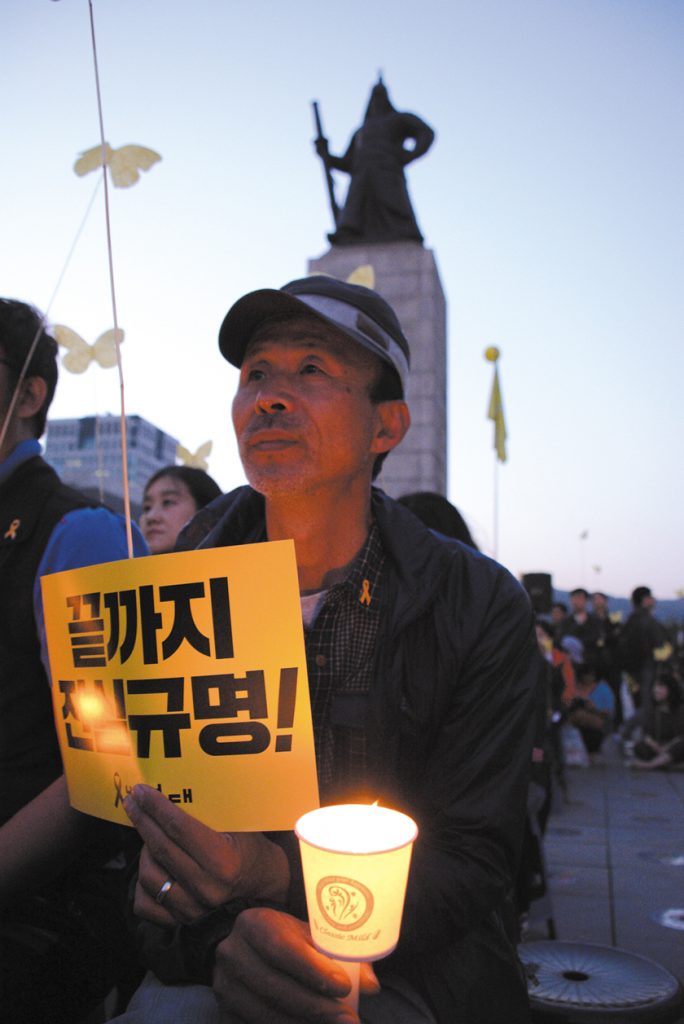
Months after the tragedy, the families of the passengers started to live in makeshift tents at Gwanghwamun Square, in a kind of long-term ongoing demonstration to demand that the government launch a more in-depth investigation into the accident.
There was a political backlash to the occupation and other actions by survivors and victims’ families, from right-wing reactionaries who claimed that the majority of the families were left-leaning. The reactionaries organized their own protests, including one where they ate fried chicken and pizza in front of the grieving families who were on a hunger strike, apathetically saying, “Enough is enough.”
The government’s botched response
The government’s response prompted fury from the families of the victims and survivors of the accident. There was evidence showing that the government evaded its responsibility for crisis management and was slow to respond to the Sewol’s sinking. According to Foreign Policy in Focus, there was no command structure among the government units responding to the emergency, which meant that the responders squandered a golden window of time during which passengers could have been rescued.
On the day of the accident, President Geun-hye Park disappeared for seven hours. According to a Hankyoreh report, the president’s office falsified legal documents with the intent to avoid the blame for the failed rescue. There were accusations that the President’s office was ultimately responsible for the rescue response and that it should have acted as “the control tower” following the accident. Later court hearings ruled that the government could not be held accountable for its inadequate response to the accident, although the government was ordered to financially compensate the survivors and victims’ families.
The reports submitted to President Park during the seven hours of her absence were sealed for a decade. This April, the Korean court decided to disclose the records, coincidentally ahead of the 12th anniversary of the Sewol disaster.
April 16th Coalition reported on its website that, less than a month into the incident, the Defense Security Command of South Korea (DSC) – which was decommissioned in 2018 – was directed to gather personal information of the families, including copies of their bankbooks, photos of their government-issued IDs (referred to as a resident registration card), and their social media activities. Directed by the government, the DSC tried to divert the blame away from President Park’s response to the incident.
In December 2023, Yonhap News reported that two former high-ranking DSC officials were prosecuted and sentenced to two years in prison for abusing their authority by illegally spying on the families.
Journalism’s big fail
On top of the government’s misdeeds, journalism in South Korea failed its readers because of its immoral and unethical behavior related to the competitive information-gathering for the Sewol story. Journalists’ long list of mistakes included taking pictures of the grieving families up-close without their consent, and reportedly going through students’ belongings at the school after getting into the building.
According to a Korea Herald report, mainstream broadcasters relayed the government’s inconsistent claims about the accident without fact-checking them. The misinformation caused further confusion about the disaster, particularly during the days the botched rescue attempt was ongoing.
For example, at the time of the accident, a broadcasters for the Korean news network MBC, MBN and YTN initially reported “all passengers and students are safe” without verifying it, after getting a comment to that effect from an apparently uninformed individual at school, as Hankyoreh reported in a later analysis.
Along with YTN, MBC reported with some charts and graphs a purported estimate of how much insurance money the families would get if the (then-missing) passengers were declared dead. In a 2014 interview with the Korea Herald, Chong-ryul Park, then-president of the Journalists Association of Korea and a veteran reporter, questioned the actions of fellow journalists.
“We need to ask ourselves whether that kind of distorted yellow journalism and an extreme competition for breaking news were really necessary at that time when the entire nation was holding on to a faint hope for a miracle.” Park told the Korea Herald.
The Journalists Association of Korea reported that a third-year high school student from Danwon High School wrote a letter to the Korean reporters that was read aloud at a press conference. The letter said that, out of disappointment and frustration at the unethical actions of journalists during and after the Sewol tragedy, she was giving up on her dream of becoming a reporter.
“In fact, my dream for the future has changed this year. I originally wanted to become a journalist like all of you.” the student wrote. “However, the biggest reason my dream changed is that you abandoned the basic conscience and convictions that journalists should uphold as human beings, and instead brought great disappointment and anger to the bereaved families and families of the missing — people already suffering enough — as well as to the entire nation anxiously waiting.”
12 years later
Twelve years have passed since I saw the news broadcast about the Sewol. Much has changed in my life. I left South Korea, came to Canada, and went to journalism school. I am writing this article as the 12th anniversary of Sewol is just days away.
Although researching a big story like Sewol was challenging, other recent reporting I did, such as the Tumbler Ridge shooting in British Columbia, gave me the courage to write about this topic, and the knowledge that it is worth covering, since there are still many families grieving for their lost loved ones more than a decade after the Sewol disaster.
At one point, I also disliked reporters and, like the Danwon High School student who wrote the letter, it was due to the reporting of misinformation and other unethical behavior linked to the Sewol reporting. I did not have much interest, let alone a passion, to become one.
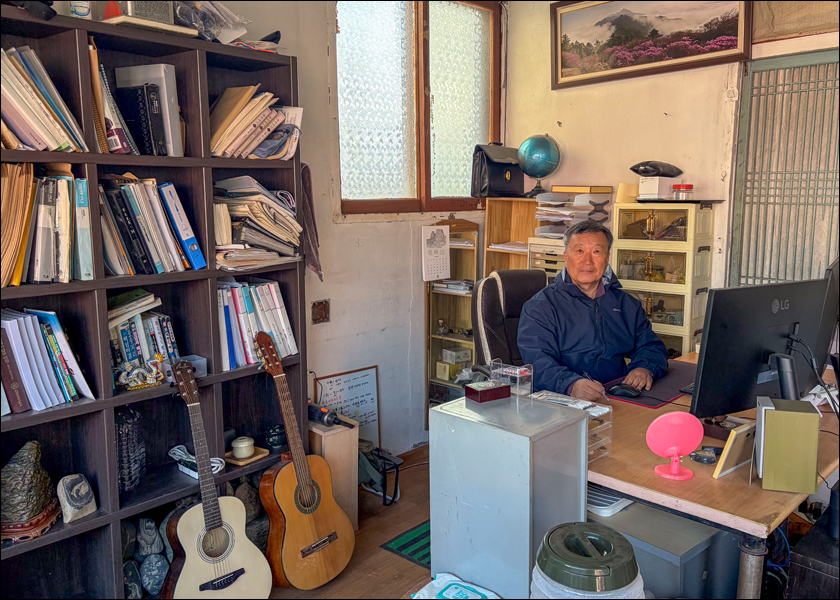
However, I had an encounter with a well-known journalist that changed my mind. He became known for his investigation of the sinking of Sewol. His work on the story started as soon as the accident happened. But he stayed with it. Even years after the incident, he continued to dig deeper into the political and social causes of the tragedy.
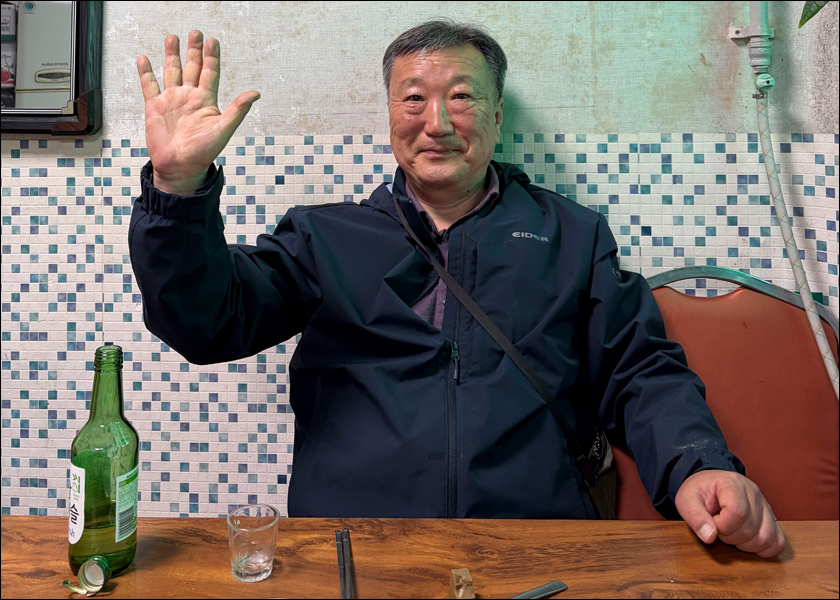
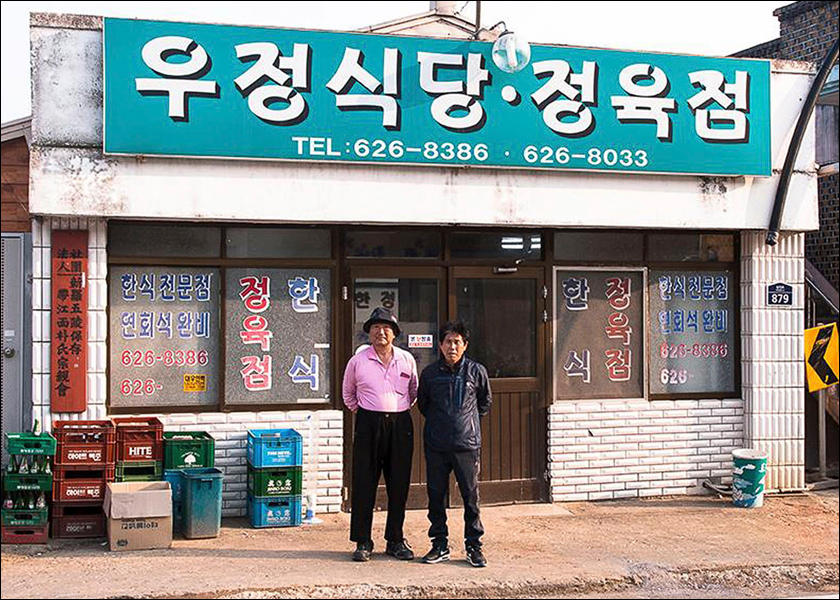
Inspired by his efforts to uncover and report the truth, I was introduced to him through a teacher. A day after I called him on the phone, we met at a small cafe in the Gyeonggi province countryside. In our conversations, he told me his view of the truth – that there is always a subjective element. “Truth is what lies beyond the facts. Every report will have the reporter’s perspective incorporated into it.”
In a text message he sent me later on, he gave me some advice that I carry in my heart as I continue to pursue journalism as a career: “Be discerning how you consume the news. If you follow the facts, that will lead you to the truth. Just because a news outlet says something does not mean it delivers the absolute truth.”
What now moving forward?
Marking 12 years since the tragedy that took the lives of the students, teachers, and other passengers, the city center of Seoul was recently decorated with waves of yellow flags, ribbons, and people wearing yellow.
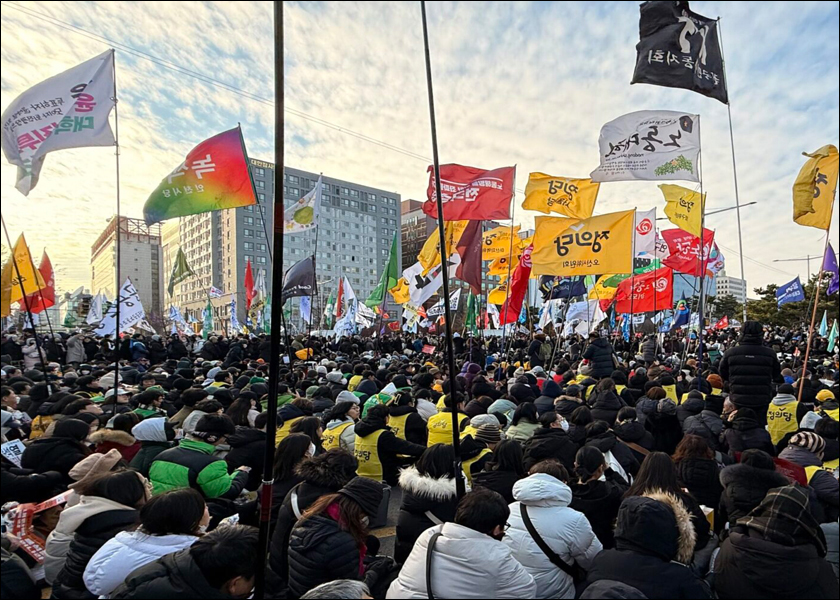
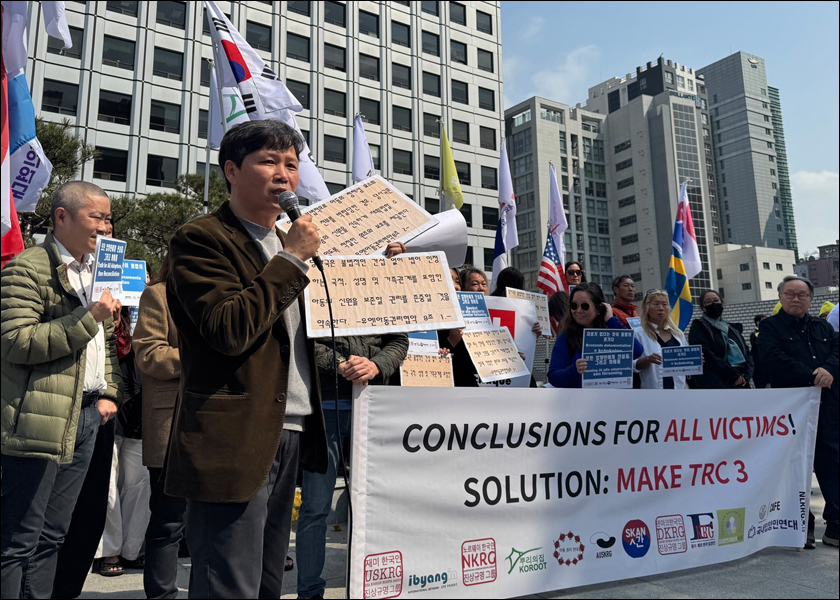
On April 11, media outlets in Korea reported that the April 16th Coalition hosted a public rally near Seoul City Hall to highlight the importance of public safety. There were exhibitions on the Sewol and some craft sessions to make the looped yellow ribbon symbol that came to represent the nation’s hope for justice for the families of victims and survivors.
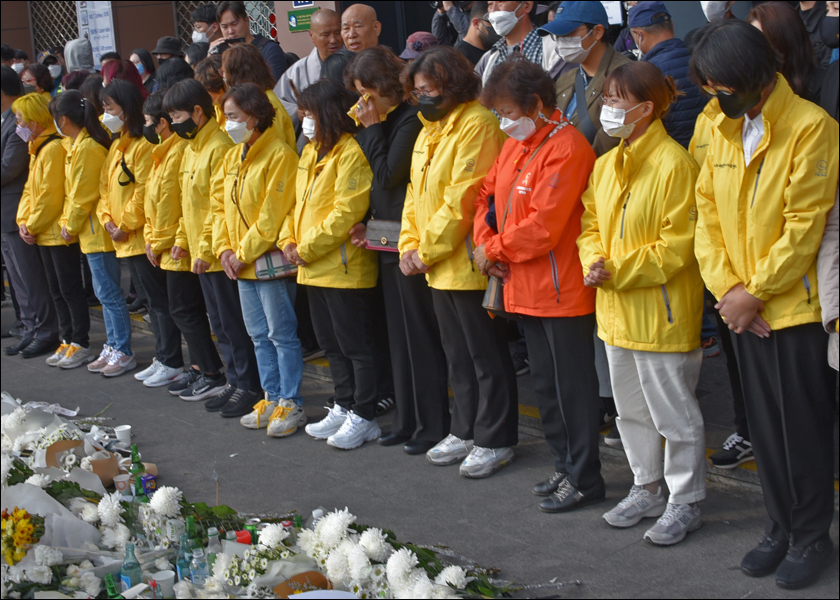
Members of the Itaewon Families Association, founded after the deadly (October 2022) stampede in Seoul, and the families of the (December 2024) Muan plane crash victims also gathered to show their sorrow and stand in solidarity with the April 16th Coalition and in support of better response by the government agencies to crises and disasters.
During the rally, Soon-Gil Kim, a member of the 4.16 Families Association, who lost her daughter in the Sewol disaster, walked up to the podium to express her gratitude to the demonstrators. “What might have been preserved as an ordinary memory became the children’s final moments for us Sewol ferry families — a scene we can never go back to,” she said, referring to the videos many of the students took of fireworks that happened in the hours just before the ship sank.
“After sending their children away, the faces of the mothers and fathers left behind have been helplessly marked by the passage of time, yet our children’s time remains at the radiant age of 18,” Kim said.
Ahead of April 16, which was designated a national day of safety in Korea, President Jae Myeong Lee announced that it will create a new national committee to oversee and create safety policies, the Korea Times reported.
Across the Pacific Ocean, the trail of solidarity continues. A Vancouver-based Facebook group called “Vancouverites Who Remember Sewol” posted on Facebook that a documentary film made by a father who lost his daughter during Sewol will be screened at three venues in Vancouver, Montreal, and Toronto from April 18 to 25.
In its wake, lessons learned
Beyond the tragic sacrifice of young lives, there are other reasons why the Sewol tragedy marks a turning point in Korean history. Politically, it was a wake-up call. The horrific failure of the Park administration and associated agencies involved in the disorganized and inept rescue attempt, and the delayed response to the affected families and the public, was an alarm bell in the minds of South Korean people.
Park was ousted from office in 2017, three years after the accident, through an impeachment by the Constitutional Court. She was also successfully prosecuted for abuse of power and fraud. Her ouster was fueled by a people’s movement, and the Sewol mishandling was the beginning of Park’s political demise.
The Sewol tragedy was also a time that unified South Koreans in a collective moral reflection, a kind of national “never again” moment. The fact that so many joyful students were wiped out in one ferry accident kindled a fire in South Korean hearts to prioritize transportation safety. Designating the day of the Sewol tragedy as a national day of safety in Korea speaks to this sentiment.
After journalists were called out for their lack of compassion and basic human decency, journalism in South Korea also got a reset to prevent itself from making the same mistakes in the future. The Journalists Association of Korea drafted rules for reporting on disasters like Sewol, advising the use of compassion and refraining from controversial reportage.
It also emphasized the importance of reporting on verifiable facts with proper attribution to its sources to ensure the public’s right to be properly informed and prevent the spread of misinformation during crises. The JoongAng Ilbo newspaper ran a full-page apology for its “incorrect, misleading, and sometimes provocative coverage” of the Sewol disaster, and other media sources followed suit, according to a May 2014 Wall Street Journal report.
Even with all this strenuous effort, after 12 years, time has not erased the trauma of that day. Among South Koreans, these memories still stir up remorse and sorrow, and affect the physical health of the bereaved families. On the website of the April 16th Foundation, there is a headline in a big yellow Korean font. It reads:
“12th Spring. The memories never fade away.”